




Vineyards and Cellar Work
an exceptional heritage
The wooden latnik as a hallmark of the Karst.
Carefully tended vineyards enhance the cultural landscape of the Karst. Until the second half of the last century, vines in the Karst were most commonly trained on vine arbours called latnik, a traditional Karst training system with wooden posts and crossbars, where the vine’s stem could reach up to 1.6 meters in height. Today, these characteristic training systems represent only about one-tenth of Karst vineyards, yet they remain a cherished part of the region’s heritage. The rest of the vineyards are planted using classic single- or double-Guyot system. Come autumn, as the vineyards glow in vibrant shades of red creating breathtaking winescapes, Karst’s iconic landscape truly comes alive.
Old-school cellar traditions are key for crafting good Teran.
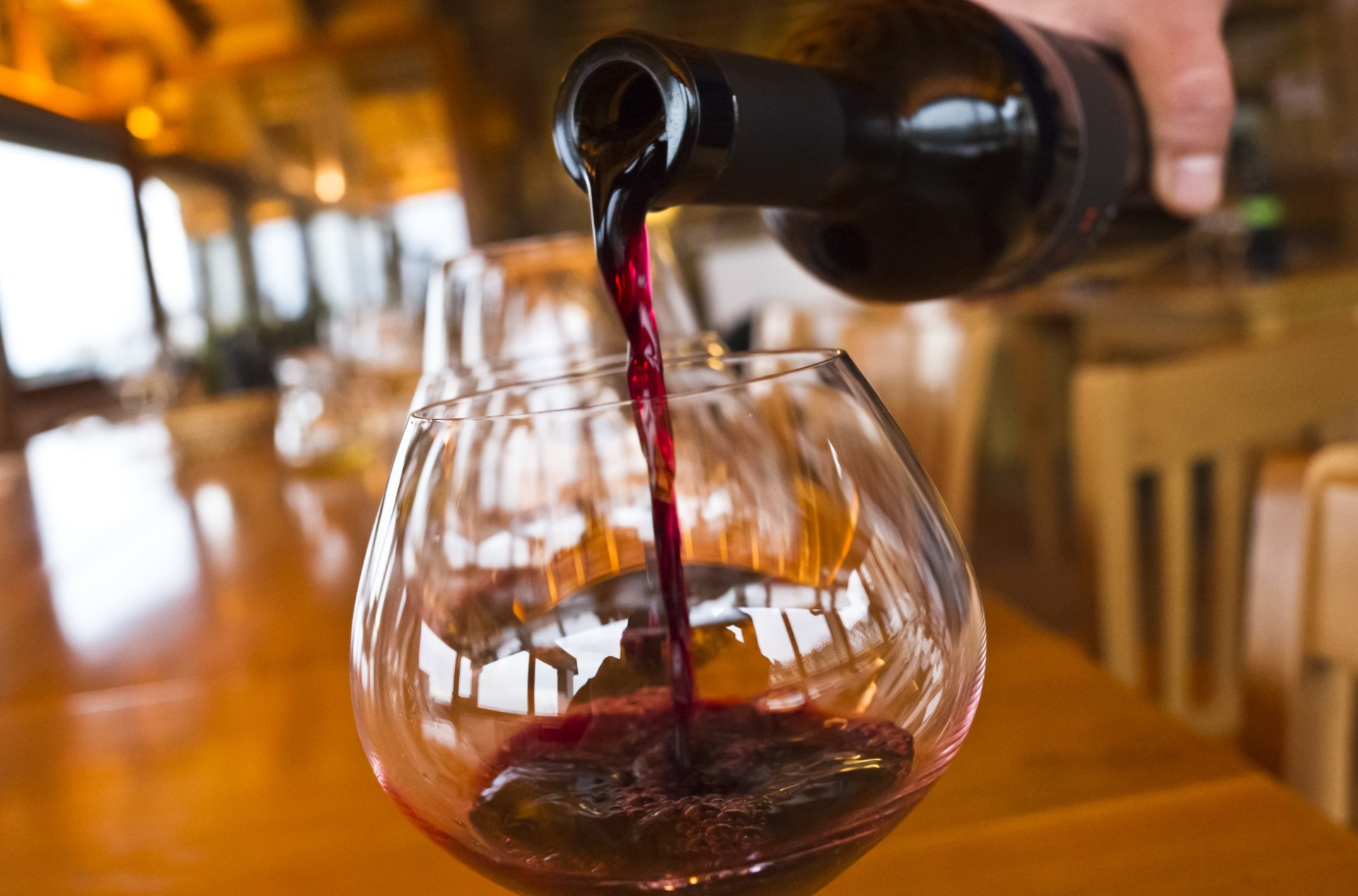
Grape processing and wine maturation have always been rooted in the personal experience of each winemaker and local Karst tradition. Over centuries, through good and bad harvests alike, and shaped by Teran’s unique traits, a distinctive winemaking tradition has emerged. After harvest, the grapes are crushed into a mash, followed by maceration. This is a natural process through which valuable red pigments are released from the grape skins, while tannins are extracted from the seeds. Teran is notable for its high total acidity, particularly malic acid, making the malolactic fermentation (the natural conversion of malic acid into lactic acid) a crucial step. This process reduces acidity in young wine and shapes its characteristic aroma and flavour. It is a particular kind of magic that Teran producers have long understood, though in the past, without modern knowledge, they simply allowed the process more time, often until spring.
Vitovska Grganja – Karst’s signature white.
Another source of pride are the region’s distinctive white wines. Especially prized is Vitovska Grganja, an ancient local white grape variety flourishing on both the Slovenian and Italian sides of the Karst Plateau. Its characteristic almond-like aroma adds depth to the wine selection and showcases Karst’s remarkable diversity.